A System, Not a Surface
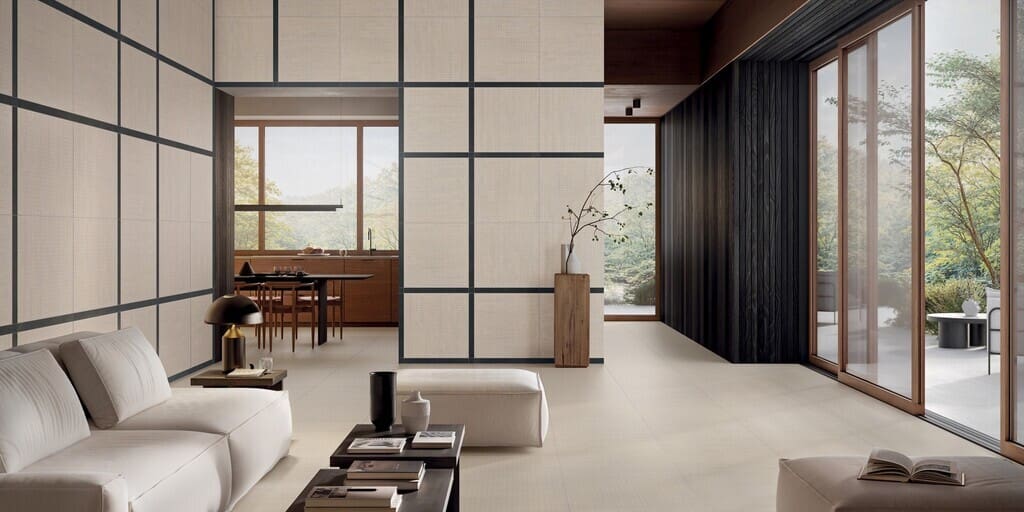
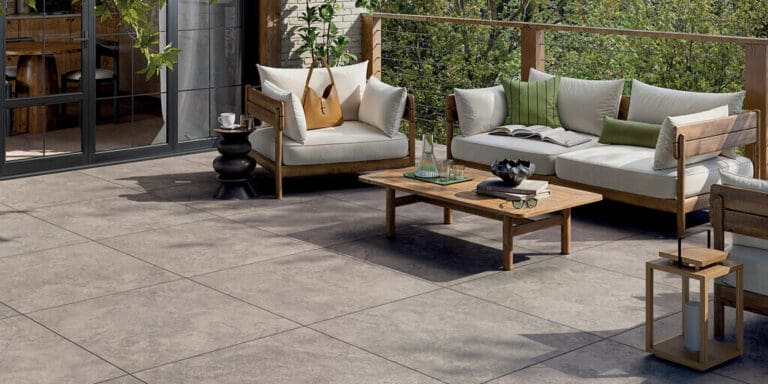
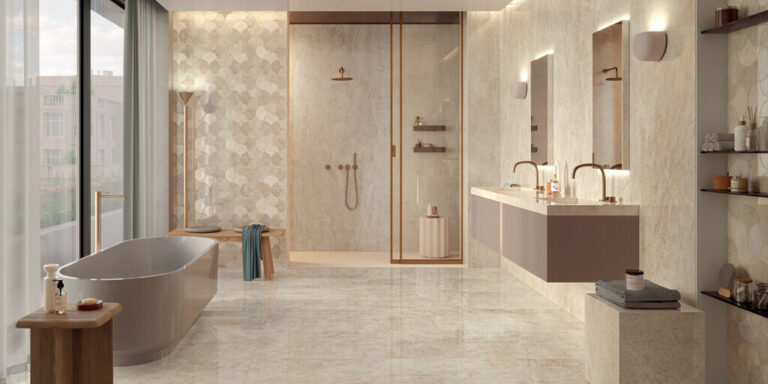
SHIKI is not conceived as a simple surface, but as a compositional system. Its language is defined through modules, rhythms, and directional layouts that designers can orchestrate freely, creating spaces that range from seamless continuity to dynamic contrasts between visual fields. This approach draws inspiration from the traditional Japanese use of tatami, which for centuries measured space through modular logic rather than standardized units. With SHIKI, that principle is reinterpreted in ceramic form—evolved rather than replicated.
Where Design Takes Shape
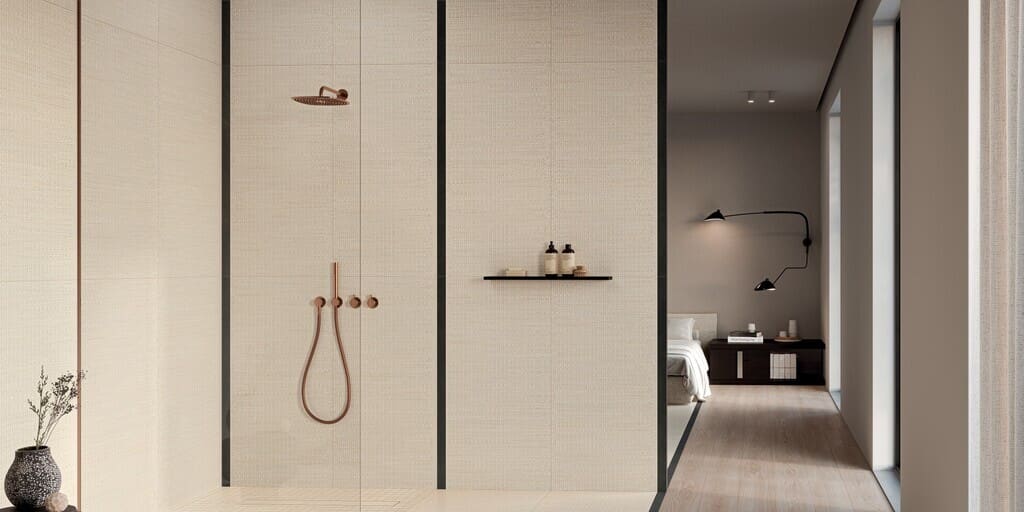
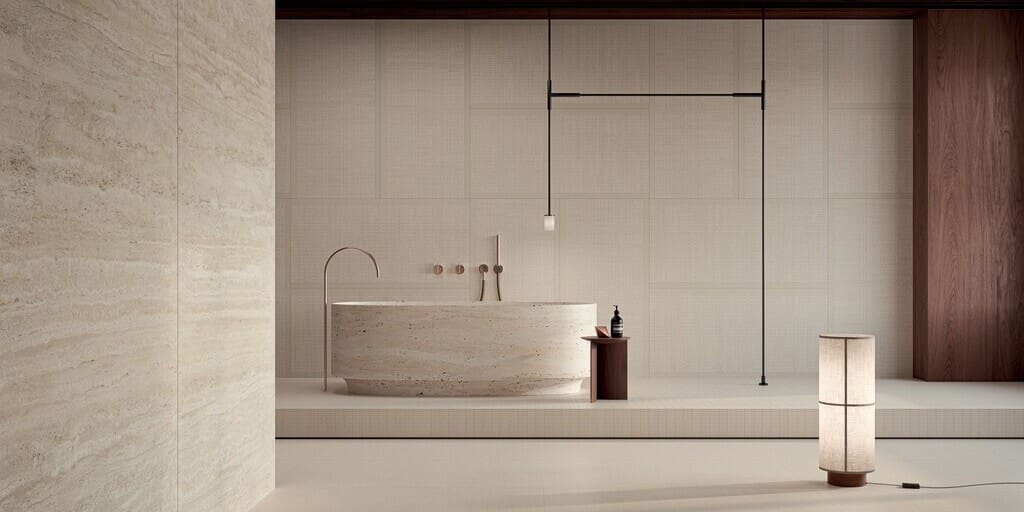
Each slab is designed to exist in relation to the others. Installation is not merely a technical phase, but the moment in which the project fully emerges. Whether arranged in linear sequences, modular grids, or perpendicular compositions, every choice influences the perception of space—its rhythm, tension, and depth. The addition of strips and square elements introduces a further layer of compositional precision, allowing designers to shape environments with intention and nuance.
The Signature of Studio Hasuike
The project bears the signature of Studio Hasuike, led by Makio and Naomi Hasuike. For over sixty years, the studio has explored the intersection of form, function, and meaning. Makio Hasuike, recipient of the Compasso d’Oro Career Award, has built his practice on a fundamental principle: questioning the purpose of form before defining it. Naomi Hasuike, an architect, contributes a perspective that merges meticulous attention to detail with a broader spatial vision. SHIKI marks the studio’s first engagement with ceramic material, bringing their philosophy into a new medium.
A Sensory Dialogue of Materials
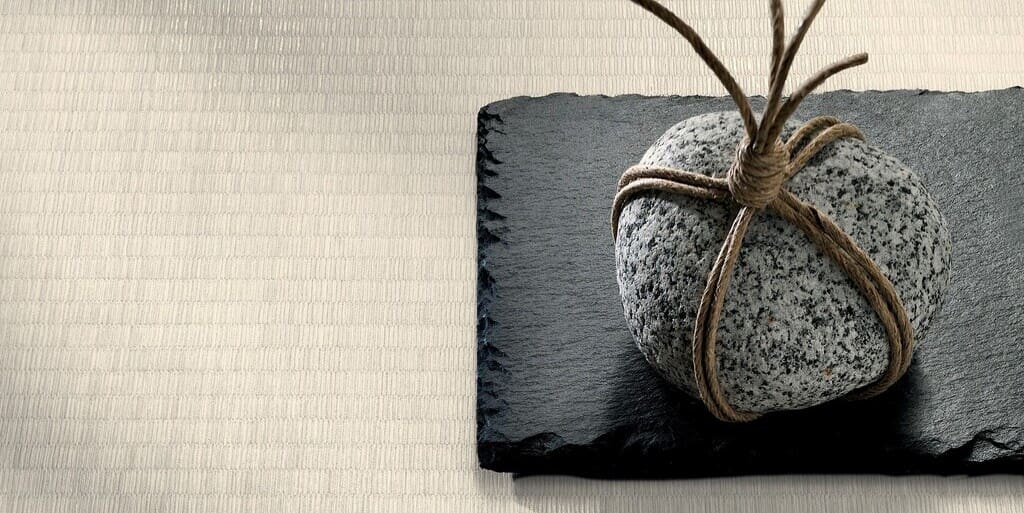
The surface of SHIKI is the result of refined experimentation. Through a delicate interplay of texture and glazing techniques, it evokes the visual and tactile qualities of woven fibers while remaining porcelain stoneware. This dual perception—where the eye suggests fabric and the hand confirms ceramic—creates a unique sensory experience, one that reflects the narrative potential embedded in materials.
In one of the two available variants, an edging element introduces a subtle yet decisive detail. Rather than serving as decoration, it defines direction, reinforces modularity, and adds a controlled vibrational quality reminiscent of natural materials.
Rhythm as a Spatial Tool
In SHIKI, rhythm becomes an essential design instrument. The arrangement of elements is never neutral: it shapes how space is read and experienced. By carefully calibrating patterns and orientations, designers can influence the visual balance of an environment, guiding movement and perception through structured variation.
The four shades—Brezza, Vapore, Ripa, and Alba—are not simply colors, but references to atmospheres. They evoke shifting light conditions, emotional states, and subtle memories of the natural world, further enriching the expressive potential of the system.
A Tool for Designers
Ultimately, SHIKI is conceived as a tool for those who design space. It embodies the idea that proportion and measure are not only technical concerns, but cultural and creative acts. Its value lies not in the individual slab, but in the relationships it enables—offering a balance of function and sensitivity, performance and meaning.