
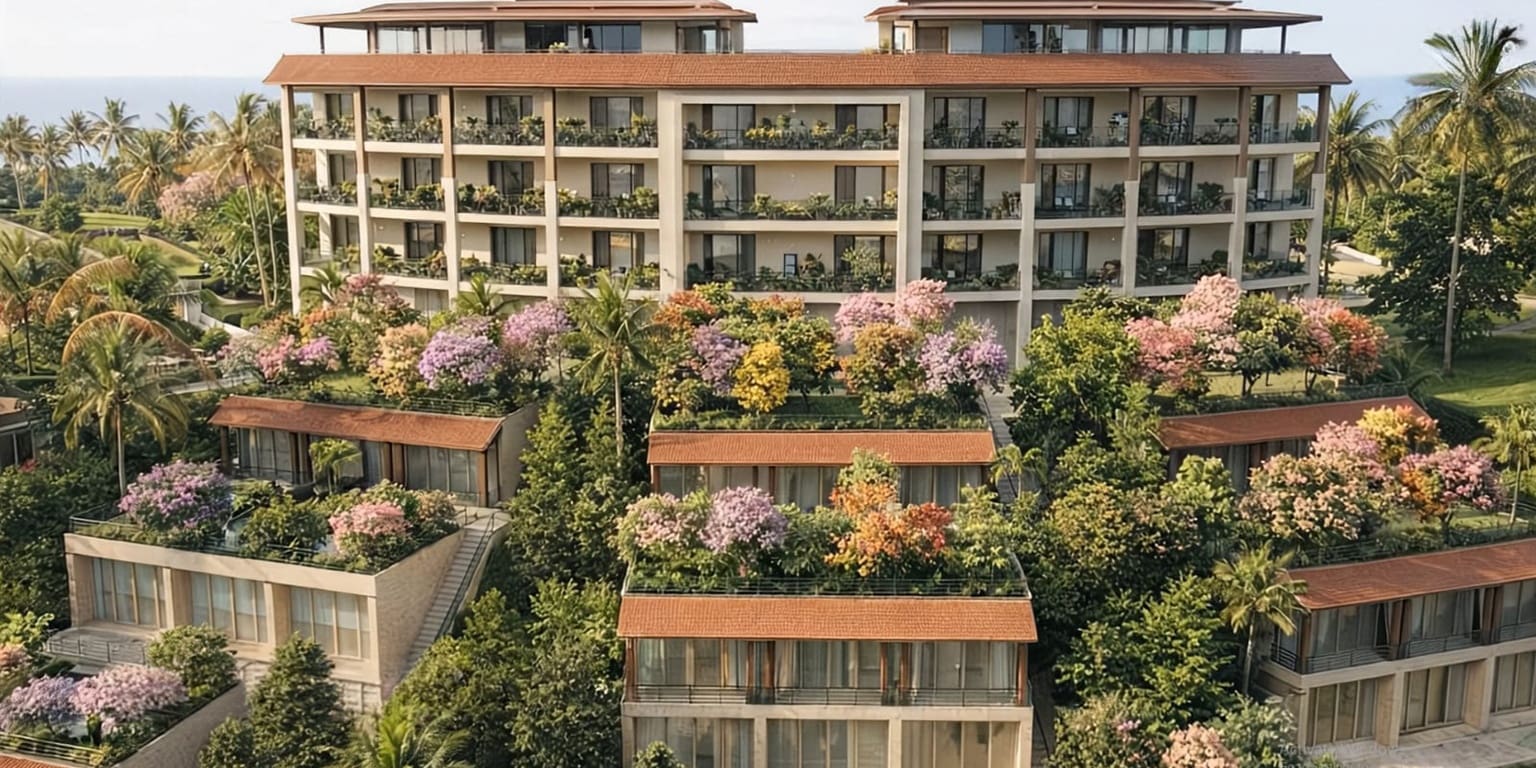
Dusit International is heading back to India, this time to the foothills near Rishikesh. The Thai hotel group has signed a deal with developer Atmosphere to bring its Dusit Princess brand to Tehri Garhwal, Uttarakhand, which is scheduled to open in 2031.
That’s a long runway. But in hospitality real estate, especially for a 300-key mixed-use project built into a hillside, patience is often the price of doing it properly. Furthermore, it’s a great opportunity for hotel suppliers to jump in now and start reaching out to the key contacts involved.
Why Rishikesh, Why Now
Rishikesh has spent the last decade quietly becoming one of India’s most reliable tourism draws, pulling in yoga retreats, adventure travelers, and pilgrims in roughly equal measure. That mix matters. It means the new property doesn’t have to bet on a single type of guest.
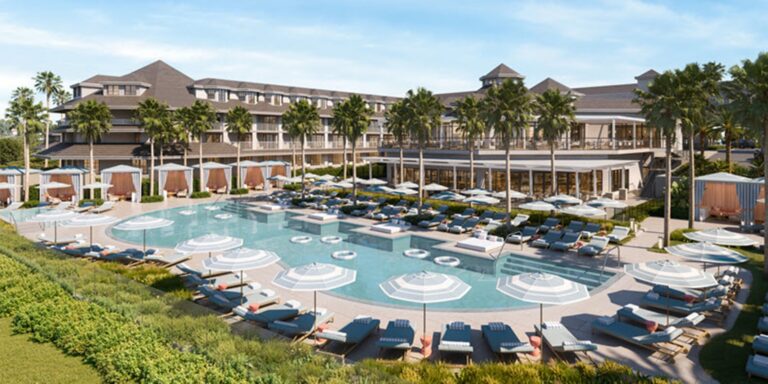
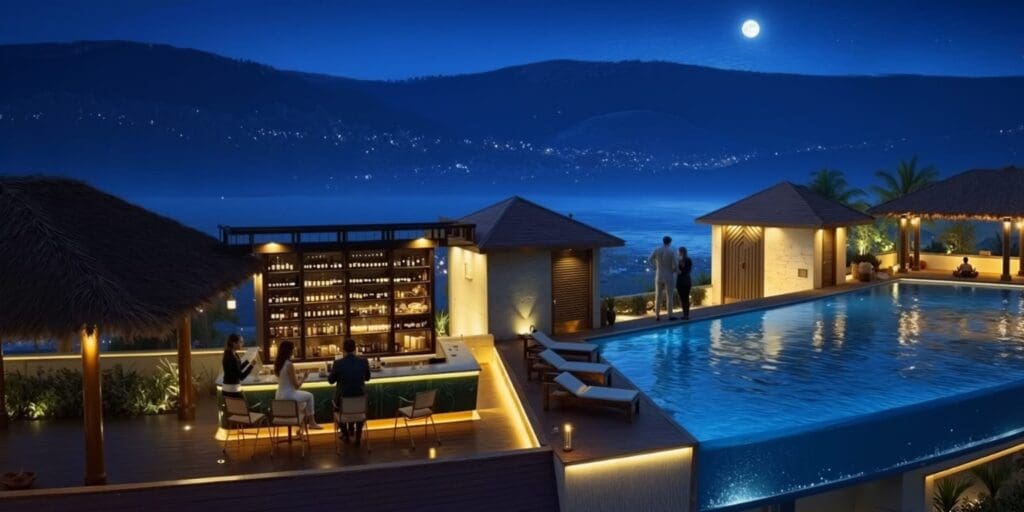
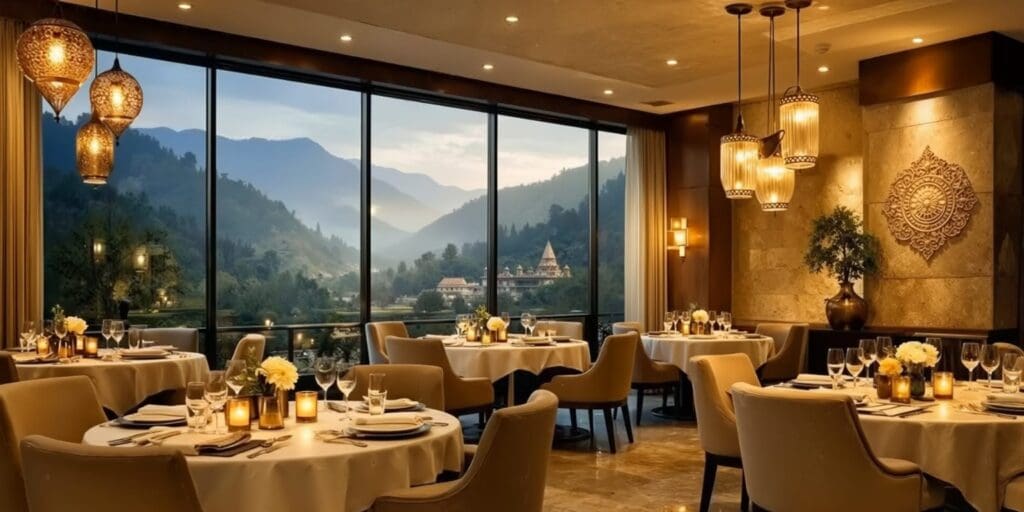
Dusit Princess Tehri Garhwal Rishikesh will include hotel rooms and duplex villas, plus a clubhouse stacked with extras: a spa, an infinity pool, a 250-cover restaurant, a bowling alley, and mini-plex. That’s a lot of amenities for an upper-midscale brand, and it signals something about where Dusit Princess is heading.
A Pattern, Not a One-Off
This signing follows dusitD2 Fagu in Shimla, which opened in late 2024. Two Himalayan-region projects in quick succession is a bold strategy. Dusit is clearly using India’s wellness and adventure-tourism growth as its entry point into the country, rather than fighting for space in the already-crowded gateway cities like Mumbai or Delhi.
That’s a sensible read of the market. Wellness tourism in India has grown steadily, and operators who arrive early in emerging destinations often get better terms and stronger brand recall than those who wait for a location to mature.
For Atmosphere, the developer, the partnership brings an internationally known operator to a project that depends heavily on guest trust—people don’t travel into the Himalayas for a mediocre stay.
The Long View
Six years is a long lead time, but it reflects the complexity of building in a sensitive, mountainous landscape, where construction timelines stretch further than in a flat city plot.
Siradej Donavanik, Dusit’s VP of Global Development, called India “a strategic growth market” with potential in both major cities and emerging leisure spots. It’s a fairly standard line, but the underlying point holds: this deal is less about one hotel and more about Dusit staking a claim in India’s wellness-travel economy before everyone else gets there too.