
South Korea is suffering from a hotel shortage, as rising inbound tourism numbers come up against a shortfall in new hotel development – with room rates rising, as a result.
This situation is described by Tony Min, head of hospitality Korea at Cushman & Wakefield as the perfect storm. During the pandemic, the hotel sector lost rooms, as buildings were converted to alternative uses. Now, with international arrivals booming and reaching 18.9 million in 2025, existing hotels are enjoying their market power. In the capital, Seoul, the phenomenon is particularly noticeable.
Developers Struggle to React
“Hotel inventory cannot be expanded overnight,” commented Min. “The void left during covid‑19 has created a structural bottleneck. Existing hotels now enjoy unprecedented pricing power.”
Stronger pricing has meant some luxury hotels in Seoul are now able to command more than KRW1 million per night, a locally significant milestone. Lower tier hotels have also been able to put up prices, recognising demand is outstripping supply. The city has also benefitted from visitors planning longer stays. “The city is no longer just a stopover but a three‑night destination—creating an even more profound multiplier effect on room shortages,” added Min.
Outside the South Korean capital, regional markets are not echoing the situation precisely. Seoul remains dominant, and other city and regional hotels may not be seeing that same increase in demand.
When demand is high, generally hotel development will follow. But in South Korea, there are a number of structural challenges, according to Cushman & Wakefield. Sites are hard to find, and land is expensive, while construction costs can also be a challenge. In contrast with other cities around the globe, office to hotel conversions are also less easy to execute.
Innovation is coming as a solution to those challenges. Capsule and compact hotel formats are being tried, along with midscale accommodation that has more of a residential style. These solutions can provide a swift, practical route to market.
A review of the Top Hotel Projects database confirms the issues raised by the agents, with few new projects live in South Korea, and several held up for various reasons. Projects coming soon include the Mercure Ambassador Mokpo, a 235 room hotel that is nearing completion. Also in the build phase is Rosewood Seoul, a 250 room hotel beside Yongsan Park that will open in late 2026.
A Weak Pipeline in Years to Come
Into 2028, and luxury openings will include Capella Residences Seoul, and the 200 room Casino Hotel Seoul. Familiar brands adding inventory include Hilton’s DoubleTree Yeosu, and the 500 room Oakwood Lagoon Town Gangneung on the country’s coast.
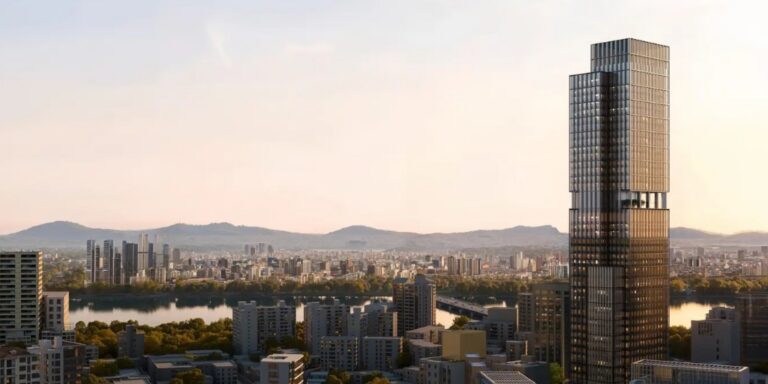
Looking long term, further international brands are breaking into the country. Mandarin Oriental Seoul will open in 2030, as will the Hyatt Place Gwangju, part of a major mixed use development. And Aman Seoul Cheongdam will launch, part of a 49 storey mixed use tower on the site of the city’s former Prima Hotel.