
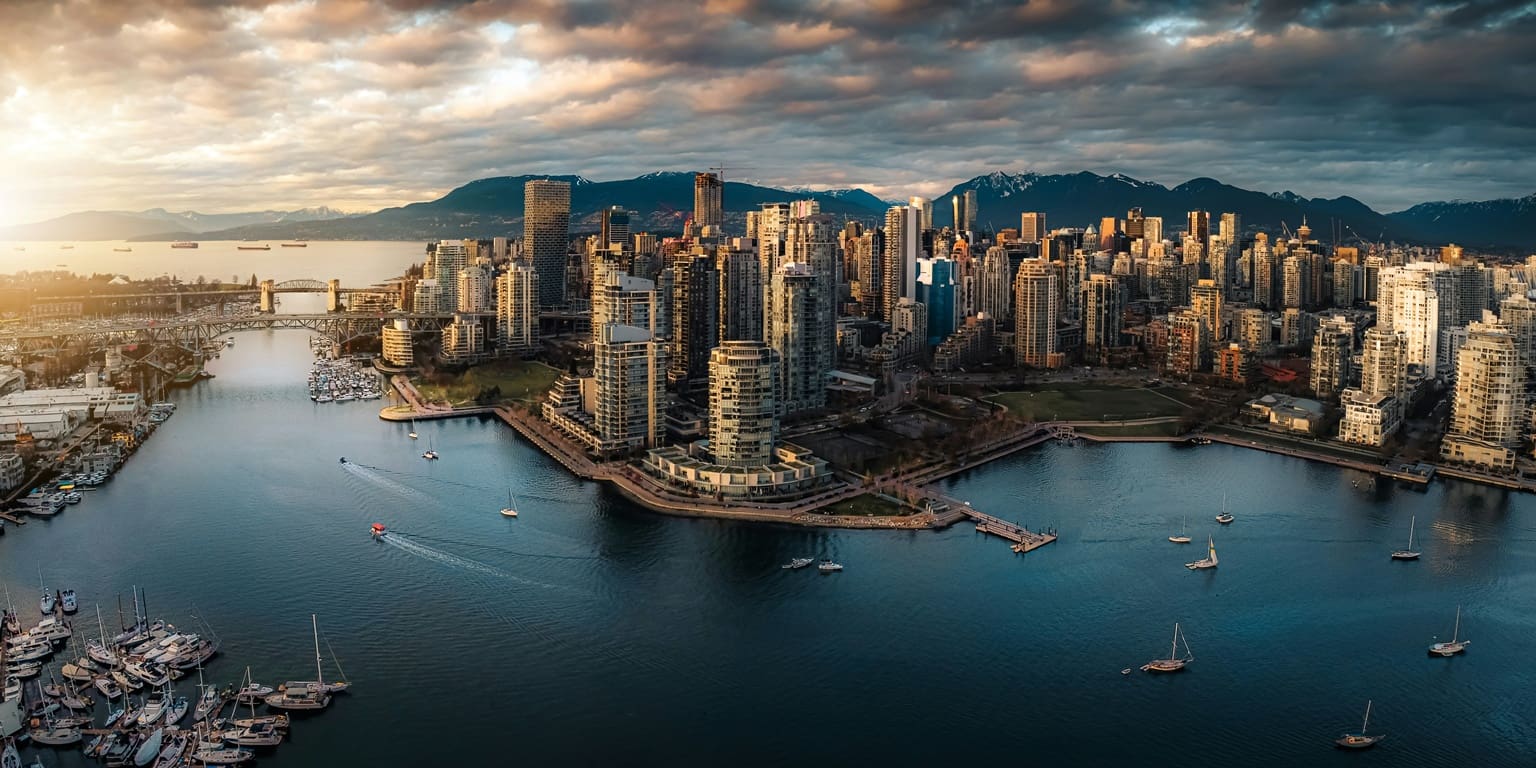
This week’s Project of the Week lands in the heart of Vancouver, where a long-anticipated hotel development is quietly moving forward after receiving unanimous approval from city council. The Broadway Hotel Vancouver, now in its pre-planning phase, signals a substantial shift for a high-traffic corridor that’s about to get even busier.
A Strategic Corner Gets a Reset
The project will replace the former Park Inn & Suites site at 888 West Broadway, positioned at the intersection with Laurel Street. It’s not just another teardown-and-rebuild story—this site sits immediately beside the future Oak-VGH SkyTrain station and steps from Vancouver General Hospital, putting it squarely in one of the city’s most active healthcare and transit zones.
That proximity is doing a lot of the heavy lifting. With a major hospital next door and a new rapid transit line incoming, the development leans into predictable, year-round demand rather than seasonal spikes. In other words, it’s built for consistency as much as scale.
Two Towers, One Program
Designed by Henriquez Partners Architects and developed by Bosa Properties in partnership with Hilton Worldwide, the project will rise to 14 and 10 levels respectively, joined by a shared podium base. The luxury hotel will offer 279 hotel rooms under Hilton’s Curio Collection.
At roughly 320,000 square feet, the building is conceived as a dual-flag hotel concept, supported by ground-level retail integrated into the podium. The retail component isn’t oversized or flashy; instead, it appears calibrated to serve the steady foot traffic expected from transit users, hospital staff, and visitors.
Built for the Corridor, Not Just the Site
What stands out isn’t the height or even the hotel brand—it’s the alignment with the Broadway corridor’s broader transformation. As transit infrastructure expands and the area becomes denser, projects like this are less about standalone impact and more about fitting into a growing network of uses.
The Broadway Hotel Vancouver’s strength lies in timing, location, and a program that reflects how this part of the city is actually used, which is something that often matters more than bold design statements.