
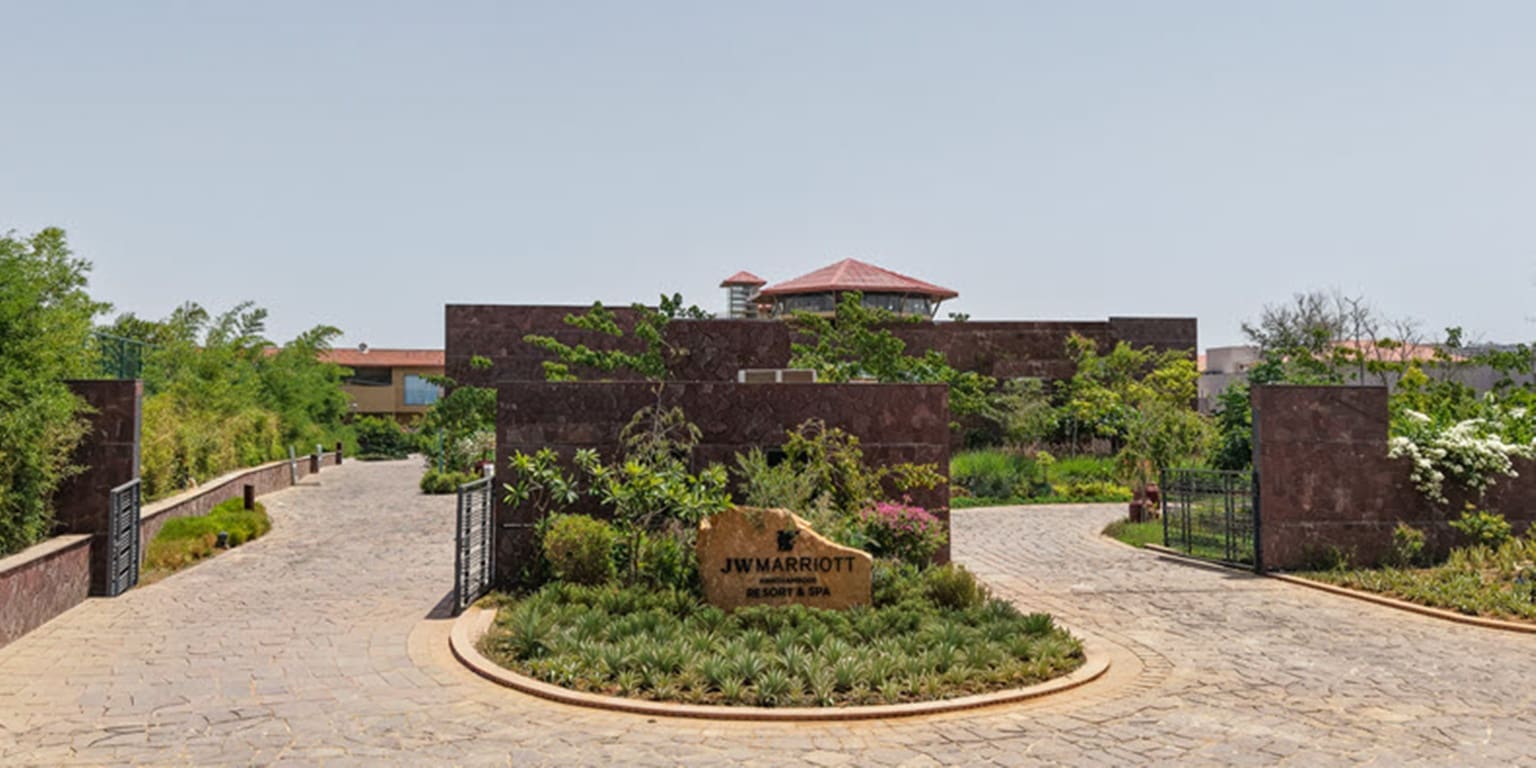
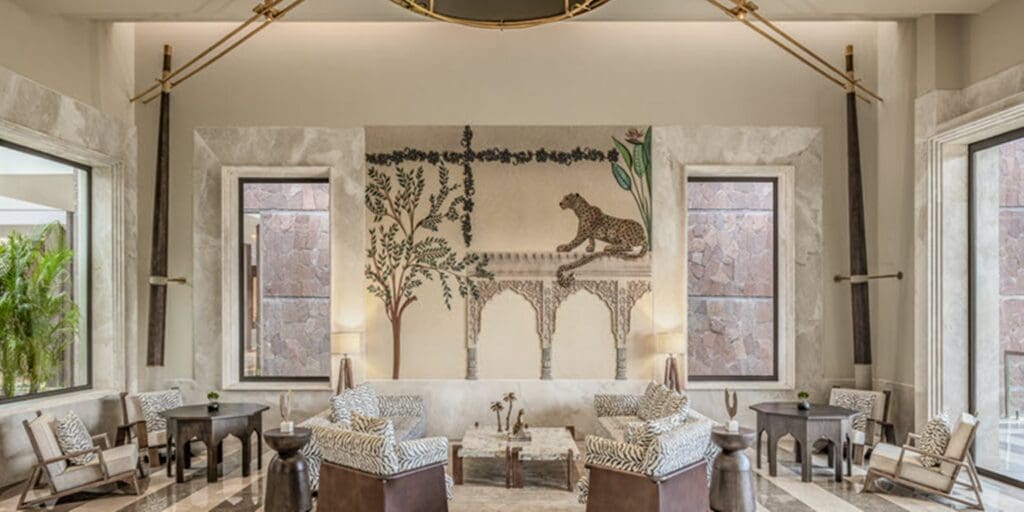
Marriott International has opened its 10,000th property, and the location says something about where the hospitality giant sees movement. The JW Marriott Ranthambore Resort & Spa is a 127-accommodation luxury retreat near one of India’s most famous wildlife parks. Not a flagship city tower but a jungle resort in Rajasthan.
The choice is deliberate. India is one of the fastest-growing luxury travel markets, and Ranthambore National Park draws visitors from across the globe. Planting a landmark opening there signals that Marriott is chasing demand where it is actually emerging—not just where it has always been.
The number itself is hard to ignore. Marriott started 99 years ago as a nine-seat root beer stand in Washington D.C. It now operates across 146 countries. CEO Anthony Capuano called the milestone “made possible by our global teams and the owners who continue to place their trust in Marriott brands.”
Why the JW Brand?
Naming the milestone property a JW Marriott carries symbolic weight. The brand is named after company co-founder J. Willard Marriott, making it a tidy narrative bow as the company approaches its centenary. The JW portfolio now counts over 130 properties worldwide, sitting within a luxury division of nearly 700 hotels across 74 countries.
For owners, developers, suppliers, and hospitality players, that luxury positioning matters. High-end properties generate stronger revenue per room and attract guests less sensitive to economic wobbles, which is a reliable argument when pitching a new-build to investors.
A Broader Push Across Price Points
The Ranthambore opening is just one piece of a busy period. Marriott also recently opened the St. Regis in Budapest inside the historic Klotild Palace, the Westin’s first all-inclusive property in Mexico, the Artik apartments brand to China, and a modular-construction extended-stay hotel in North Carolina.
That range—from palatial European heritage buildings to budget-friendly extended stays built with prefabricated modules—shows a company trying to cover every corner of the market simultaneously.