Thailand’s hotel sector is shifting towards a more mature phase, which will see more of the country’s hotel assets repositioned to accommodate changing market dynamics.
This new cycle is explained in a new report from CBRE Thailand. The agent says the change will fill in “structural gaps in competitiveness and product differentiation” that have become visible following the post-pandemic market recovery. Changing consumer tastes include increasing demand for luxury and lifestyle hotels, plus a desire to enjoy a more digitally connected and experience-rich stay.
A Proactive Repositioning Strategy
While repositioning has traditionally been the way to bring tired hotels back to delivering decent revenue, now the shift is being planned more proactively, say the agents. “Thailand’s hotel market is moving into a phase where competitive advantage will depend on agility, clarity of positioning and the ability to evolve in shorter cycles,” notes Kieran Chaiyataj Chevamongkol, associate director of CBRE Hotels. “Leading owners now view turnarounds as an ongoing process of aligning assets with shifting demand, operational costs and brand relevance.”
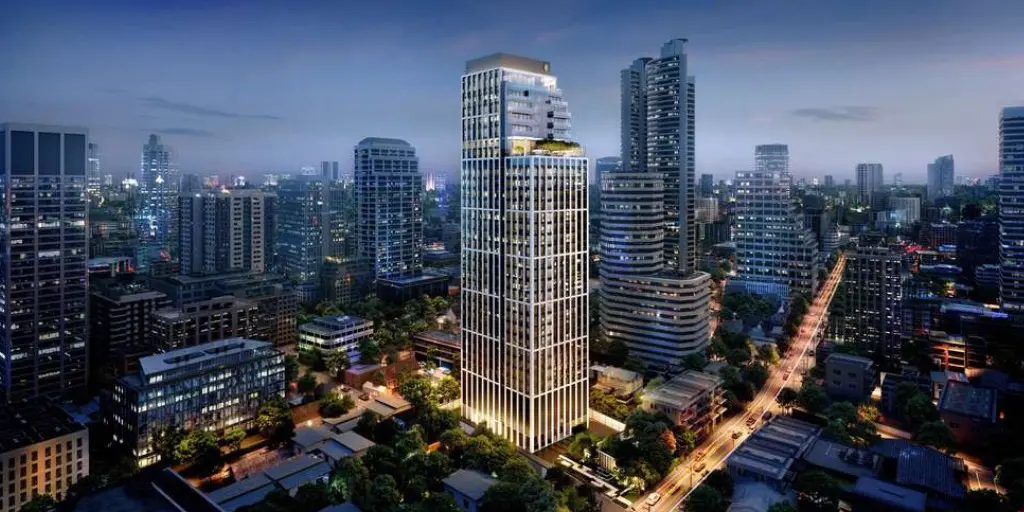
In the Thai capital, Bangkok, the market has grown to around 83,000 rooms, say CBRE, with more new arrivals pushing existing owners to do more. Pipeline openings include a good number of hotels from the big brands.
The first quarter of 2026 will see IHG open no less than three new hotels: Holiday Inn Express Phayathai, Crowne Plaza Bangkok Rama 9 and The Indigo Phayathai. Also lining up is a new Yotel, and 176 room Canopy by Hilton in the city’s Sukhumvit district. And in the pure luxury segment, the group will be opening Six Senses Forestias.
Following the route CBRE has described, Mandarin Oriental is continuing a comprehensive renovation of its historic Bangkok hotel. And the 475 room Montien Surawong Bangkok, which trades under the Steigenberger brand, is also undergoing a refurbishment. Accor’s Fairmont hotel in Sukhumvit is also due a refit, which will see the 34 storey property repositioned on completion as the Grand Mercure Windsor.
“Ultimately, Thailand’s competitive edge will be defined by its ability to transform, not only through new development but through strategic renewal of the country’s existing hotel stock,” adds Nicholas Vettewinkel, director of consulting and research at CBRE Thailand. “The strongest turnarounds blend foresight with creativity, setting a new benchmark for how hotel assets can compete and thrive in the years ahead.”
Brands Look to Secondary Locations
In other markets, including Chiang Mai, Hua Hin and Pattaya, there is an increase in branded supply as the big names sign up properties, both new builds and repositioned assets. Hilton will open the Kahavadi Chiang Rai as part of its Curio Collection in the first half of 2026, while IHG has the opening of Kimpton Chiang Rai Golden Triangle planned for the year end.
In Pattaya, Hyatt has recently opened The Standard Pattaya Na Jomtien, while the Ramada Hotel Nebu Jomtien and Hilton Garden Inn Pattaya City are under construction. And in Hua Hin, upcoming openings include a Kimpton hotel, and for Hyatt, The Unbound Collection Barai Hua Hin.