

European hotel investors continue to feel bullish about the sector, with almost three quarters planning to top up their portfolios during 2026.
The positive outlook came via a survey undertaken by advisors Savills. Their inaugural European hotel investor survey gathered opinions from organisations that between them manage more than EUR1 trillion of real estate assets. Respondents noted the sector’s attractions including a stable operating performance, and fundamental demand drivers that see continuing growth in consumer bookings.
An Asset Delivering Steady Returns
As a result, 73% of those surveyed indicated that during 2026, they intend to be net buyers of hotels for the coming year and further ahead. Drilling down into preferred market segments, 60% mentioned luxury and upper upscale hotels, ahead of 53% favouring resorts and properties with a leisure focus.
“Investors consistently highlighted disciplined deployment and long-term positioning,” said Thomas Emanuel, head of hospitality thought leadership across EMEA at Savills. ”A minority are planning to be net sellers, reflecting a majority belief that holding through the cycle will yield more attractive exit pricing.”
The survey found that investor expectations on performance have changed little in the last year. An annual return of around 6-8% is the intention, while an asset is held, with hotel assets valued for their steady income. Overall, once an uplift in value is factored in on the sale of an asset, then investors expect to gain an overall 15% or more internal rate of return.
Many investors see the “value-add” approach as being the best way to extract value from a hotel investment. The winners here are strong on executing a plan, and being opportunistic when picking up acquisitions. Options include upgrading a hotel from, say a three star to a four or five star property; and signing a brand from a major hotel group, to help lift booking volumes into the future.
Alternatively, there are increasing numbers of hotels that will benefit from environmental improvements such as better insulation, or new heating or air conditioning systems, to reduce future running costs. Investors are placing an increased focus on the carbon footprint of assets, with green loans available to those making environmental commitments.
David Kellett, EMEA head of hotel capital markets at Savills, added: “Quality will remain paramount, both in terms of the underlying real estate and the strength of the operating platform, while investors will increasingly look to be selective and, often, contrarian in their market and asset selection.”
Willing Buyers Match with Willing Sellers
Already in early 2026, the market has seen considerable investment momentum, often driven by mature funds or earlier investors exiting their positions. As the survey noted, there has been no shortage of buyers for the hotel assets on offer.
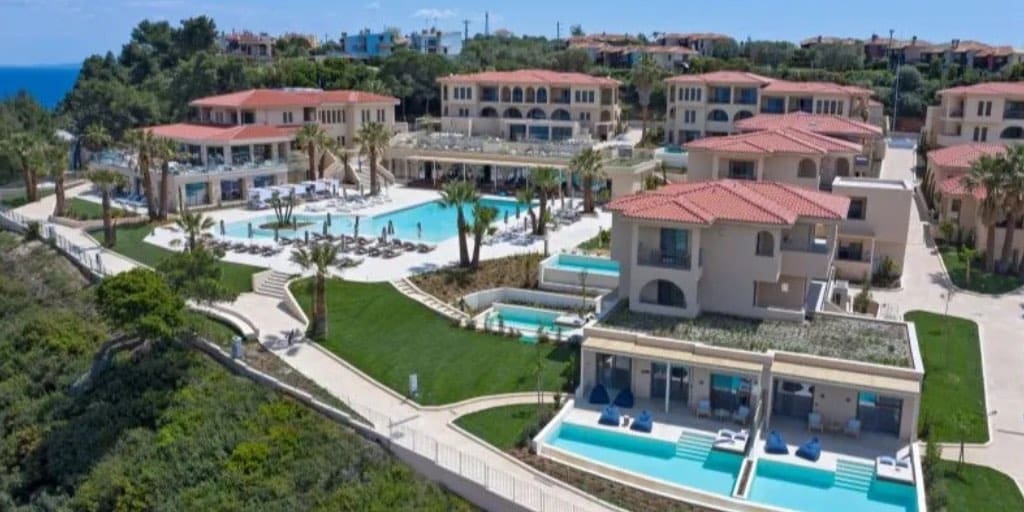
Bain Capital, for example, sold the Cora Resort in Greece to Israel’s Fattal Group, in a deal completed in early 2026. During Bain’s hold period, it refurbished and repositioned the asset. Fattal will brand the asset under its Leonardo Limited Edition collection.