
Hotel architecture and design keep changing as owners, brands, and designers look for new ways to use space and become more environmentally aware. Some of the current approaches focus on the outdoors, some on the buildings themselves, and some on how guests move through shared areas. Three trends come up often in new projects and renovations: biophilic design, adaptive reuse, and flexible public areas. Each one affects how a hotel looks, feels, and works.
Biophilic Design
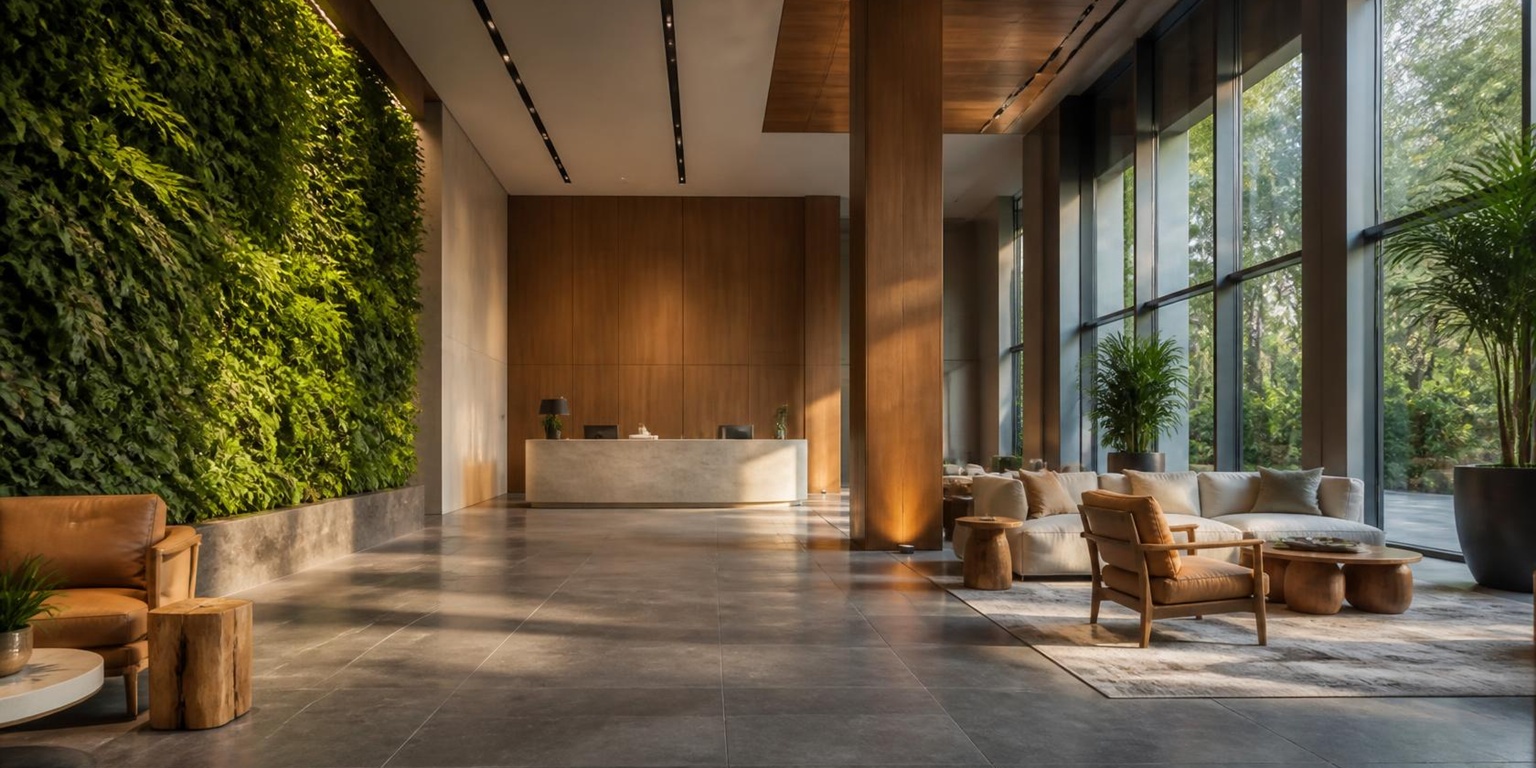
Biophilic design brings elements of nature into the building. Designers plan for plenty of natural light, often with large windows, skylights, or open floor plans that let daylight reach deep into a space. Green walls, which are surfaces covered in living plants, appear in lobbies, restaurants, guest rooms, and corridors. These features can be built into a new hotel or added during a renovation.
Indoor–outdoor integration is another common feature. Terraces, courtyards, and sliding glass doors connect interior rooms to gardens or patios. Restaurants and lounges may open onto outdoor seating so the two areas work as one space. Guest rooms can also include balconies or private patios that extend the room outside. And even pools can start indoors with a swim-through door that leads to the outdoor portion of the pool.
Adaptive Reuse
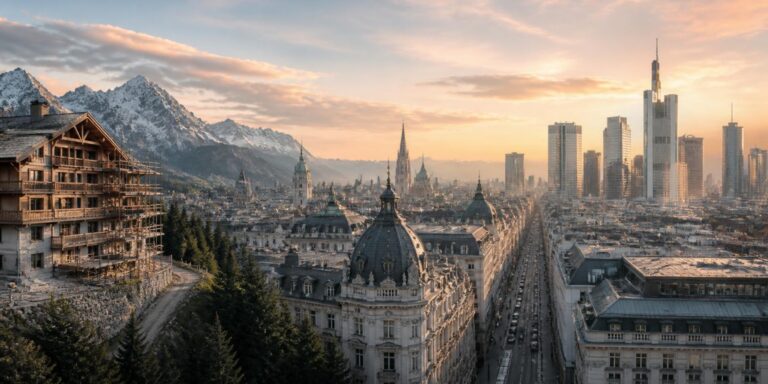
Adaptive reuse means turning an older building into a hotel instead of tearing it down. The original structure may have been an office, a warehouse, a bank, a school, or a factory. Designers keep key features such as brick walls, tall windows, or exposed beams. The guest experience is then built around those details. In a recent THP.News interview, architect Chris Meyers shared his thoughts on adaptive reuse and why he sees existing buildings as a sustainable choice.
Many of these projects become boutique hotels. The building’s history shapes the look of the rooms and public spaces, so each property can have its own character. Because the structure already stands, the project can skip the demolition step that a new build would require. Teams may still need to update plumbing, wiring, and safety systems to meet hotel standards.
Flexible Public Areas
Lobbies and rooftops are being designed to serve more than one purpose. During the day, a lobby may offer tables, outlets, and quiet corners for guests who need to work. In the evening, the same space can shift to a social lounge with softer lighting, a bar, and group seating. This lets one area serve different groups of guests at different times.
Rooftops follow a similar pattern. They can serve as a daytime workspace or breakfast spot and then become a gathering place at night. Movable furniture and adjustable lighting make these changes possible without major construction. Designers often plan the layout, power access, and storage with those shifts in mind.
Following Design Trends in Real Projects
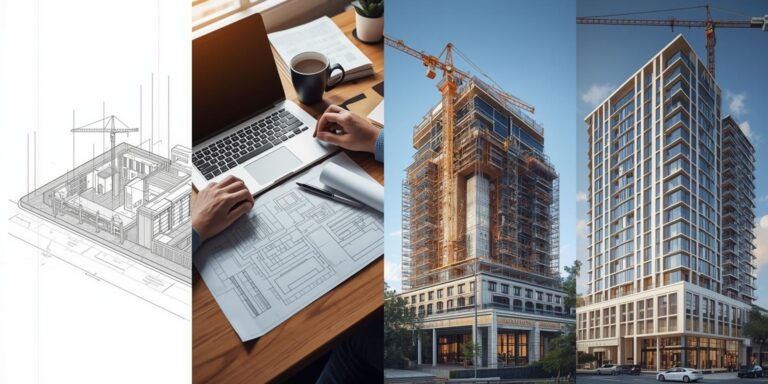
These ideas show up in hotel projects at every stage, from early concepts to newly opened properties. Some appear in new builds, and others come through renovations and conversions. Design details often take shape during the planning and construction phases, well before a hotel opens. Following a project over time shows how these ideas move from drawings to finished spaces.
The THP database tracks hotel projects and includes much more, which makes it easier to find details in one place. Users can look up where a project stands, who is involved, and what is planned. It also shows how a property moves from one phase to the next. For anyone watching how these design trends take shape in real hotels, it offers a practical way to follow along.