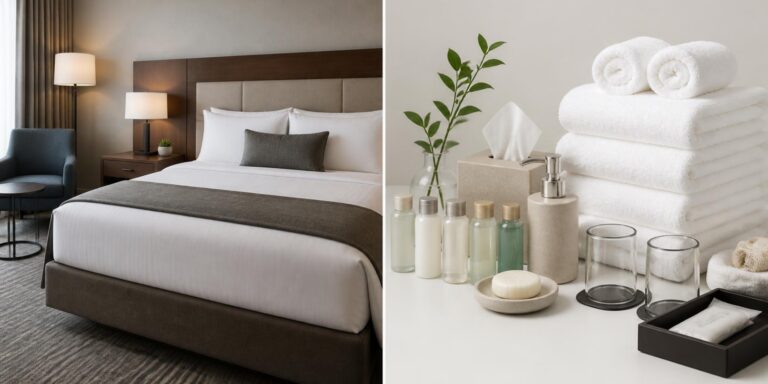

Hotel renovations used to mean new paint, new carpet, updated furniture, and maybe a few extensions. But that is no longer the full picture. Renovations today involve technology upgrades, wellness features, and sustainability measures that did not factor into most projects before 2010. The scope of work has grown and so has what hotel suppliers need to offer to stay relevant on these projects.
Technology and Wellness Take Priority
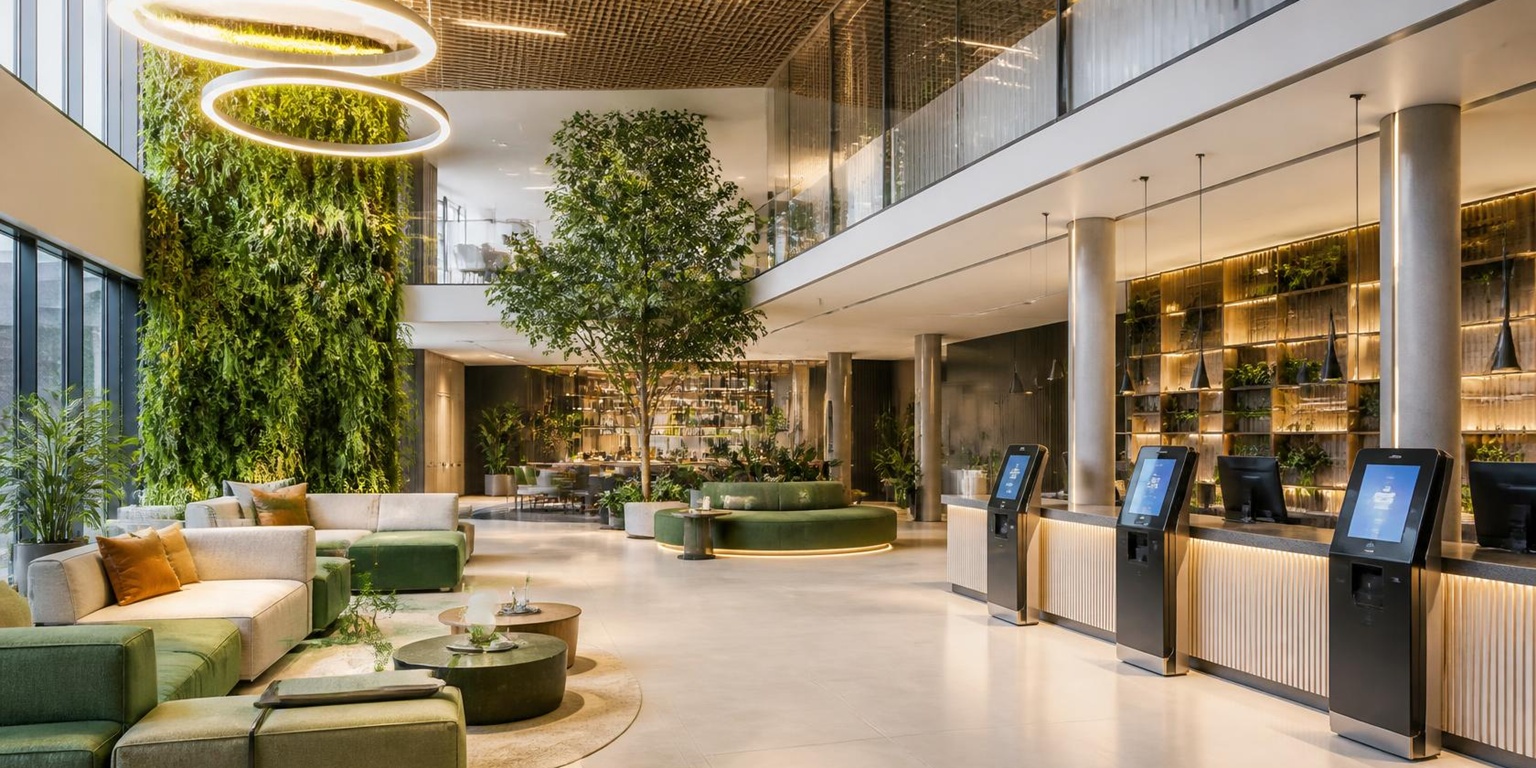
Twenty years ago, an in-room television with pay-per-view movies counted as advanced hotel technology. That bar has moved considerably. Renovation projects now commonly include offerings such as smart thermostats, automated lighting and curtains, mobile check-in, and digital room keys. Many hotels also add voice-activated assistants, tablet-based service requests, and centralized controls that let guests manage a room from their phone.
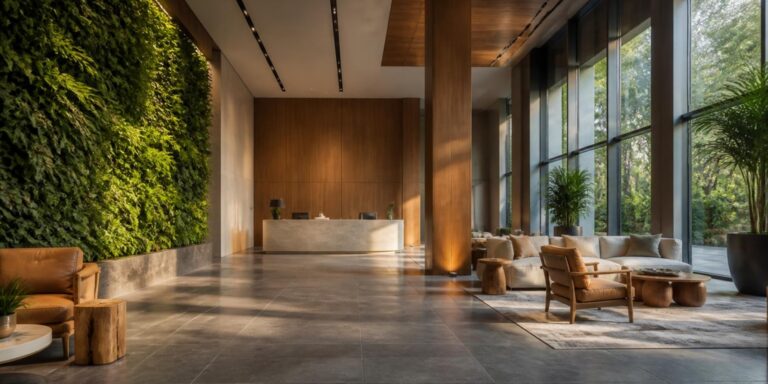
Wellness has followed a similar path. Fitness centers before 2010 were often small rooms with a few machines that were tucked away from the main areas of a hotel. That has changed as wellness has become a bigger part of how hotels are designed. Workout spaces have grown larger, and wellness features now extend into guest rooms and public areas, including air purification systems, circadian lighting, dedicated yoga or meditation rooms, and spa bathrooms built around multiple senses rather than just water pressure and tile.
Sustainability and Flexible Design Are Now Standard
Sustainability used to be one of those line items that hotels could choose to include or skip. Today, it factors into most renovation plans from the start. Projects now regularly involve energy-efficient HVAC systems, LED lighting, and low-flow water fixtures that reduce and reuse water. Builders are also turning to recycled or locally sourced materials, and many hotels pursue certifications such as LEED or Green Key to demonstrate their environmental work to guests and investors.
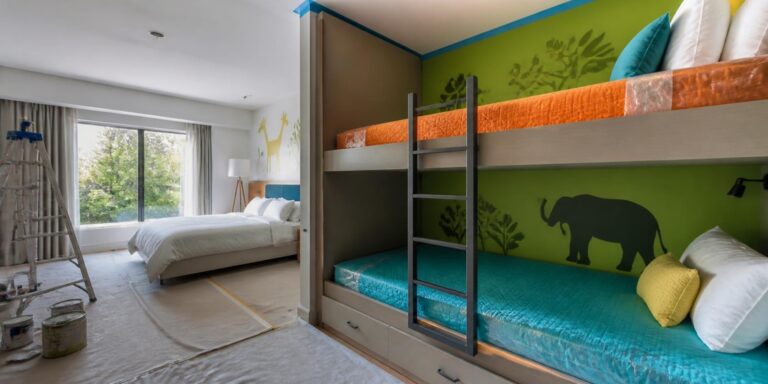
Room design has also shifted. Older hotel rooms tended to follow one layout, repeated across every floor. Newer renovations move away from that uniformity in favor of flexible spaces that can shift based on who is staying and why. Modular furniture allows a single room to work for business travelers during the week and families on weekends, while adjustable lighting and sound treatments support layouts built to handle work, rest, large gatherings, and family stays without requiring a different type of room for each.
Where older projects focused mainly on appearance, current projects touch how guests interact with a room, how a building uses energy and water, and how spaces get used throughout a stay. The changes span multiple departments within a hotel, from engineering to guest services to design. Suppliers looking to track these projects as they come to market can search THP’s database of hotel developments. As more properties renovate, these features are likely to keep spreading across the industry rather than staying limited to luxury flagships.