
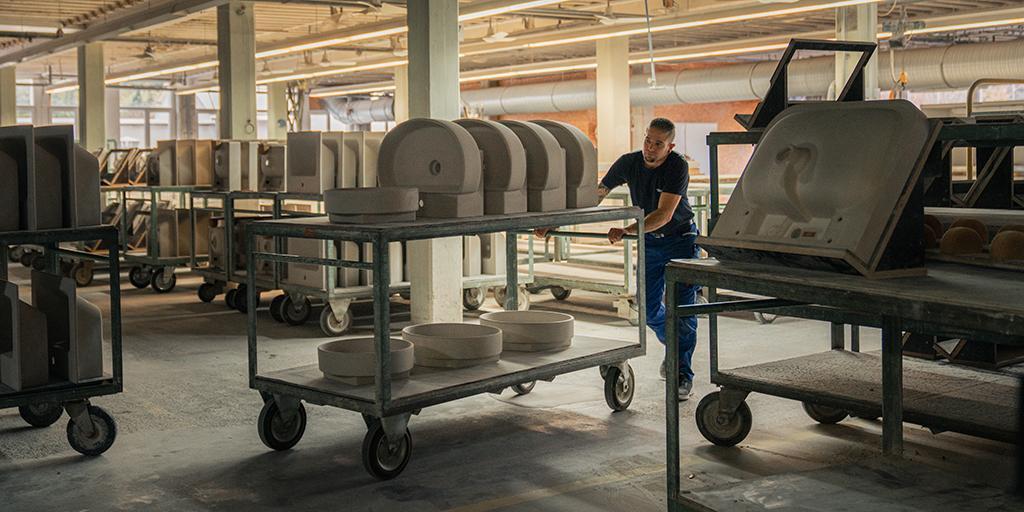
Designing for the Hospitality Experience
For hospitality projects, successful bathroom design is about more than appearance. Products must translate a creative vision into solutions that are intuitive to use, reliable in everyday operation, and relevant beyond short-lived trends. Achieving this balance requires close collaboration between design, development, and manufacturing from the first sketch to the final product.
At Duravit, the process begins with an understanding of how people live, move, retreat, and organise their daily routines. These questions are particularly relevant in hospitality, where the bathroom plays a central role in the guest experience. As a private space within the hotel room, it is expected to combine comfort, functionality, and a distinctive design identity.
Since the 1980s, Duravit has worked with international designers and architects including Philippe Starck, Sebastian Herkner, and Patricia Urquiola. While each brings a unique creative perspective, the shared objective remains the same: to create designs that reflect their time while retaining long-term relevance.
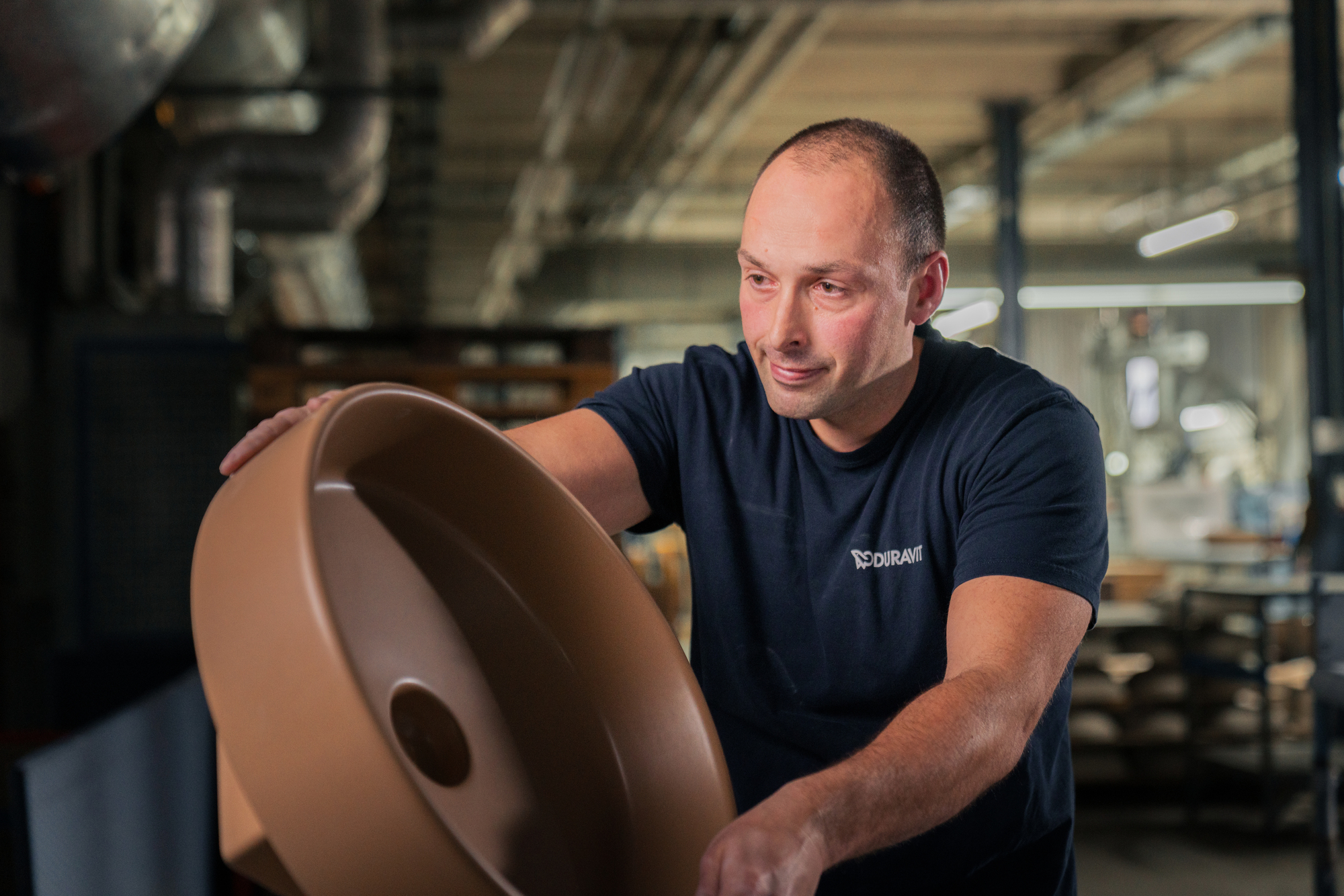
From Creative Vision to Final Product
Transforming an idea into a finished product is an iterative process. Designers work closely with Duravit’s product management and development teams, combining creative expertise with the company’s knowledge of ceramic manufacturing. Throughout development, concepts are continuously refined until form, function, material, and production requirements are aligned.
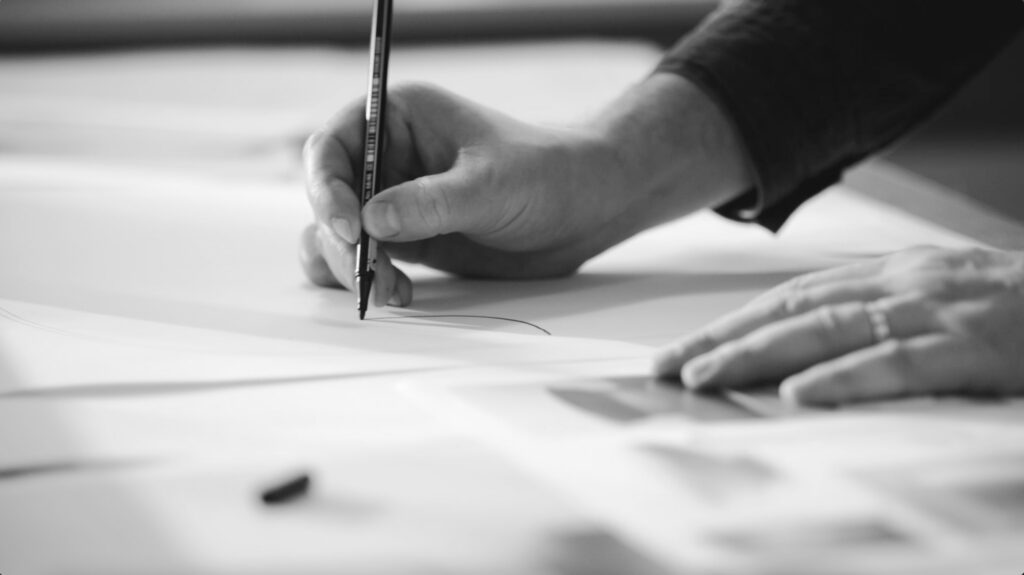
Precision in Every Detail
This collaboration becomes particularly important when ambitious designs challenge established production methods. Ceramic changes during firing, so concepts must be translated into forms that can be manufactured consistently without losing their character. Even wall thicknesses, precise radii and clearly defined edges help ensure that the original design remains legible in the finished piece and can be specified reliably across a hospitality project.
At Duravit’s headquarters in Hornberg, technically demanding products often pass through several trial-production stages. Details are tested and refined until design intent and production requirements work together. The glaze is part of this process: it must form an even, pleasant surface while preserving the geometry beneath it. Smooth, durable surfaces also support straightforward cleaning in hotel bathrooms and other frequently used hospitality settings.
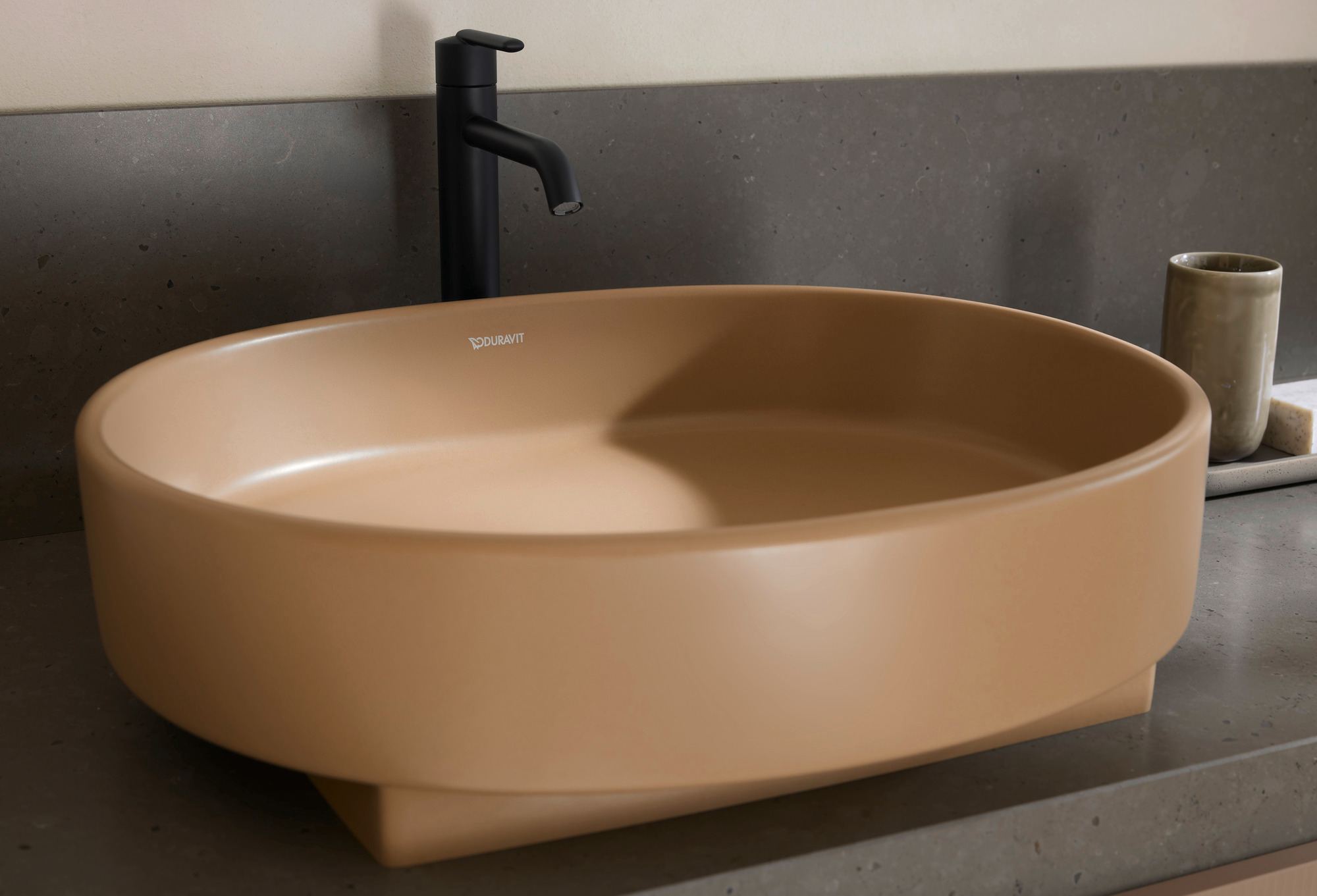
Bringing Design and Production Together
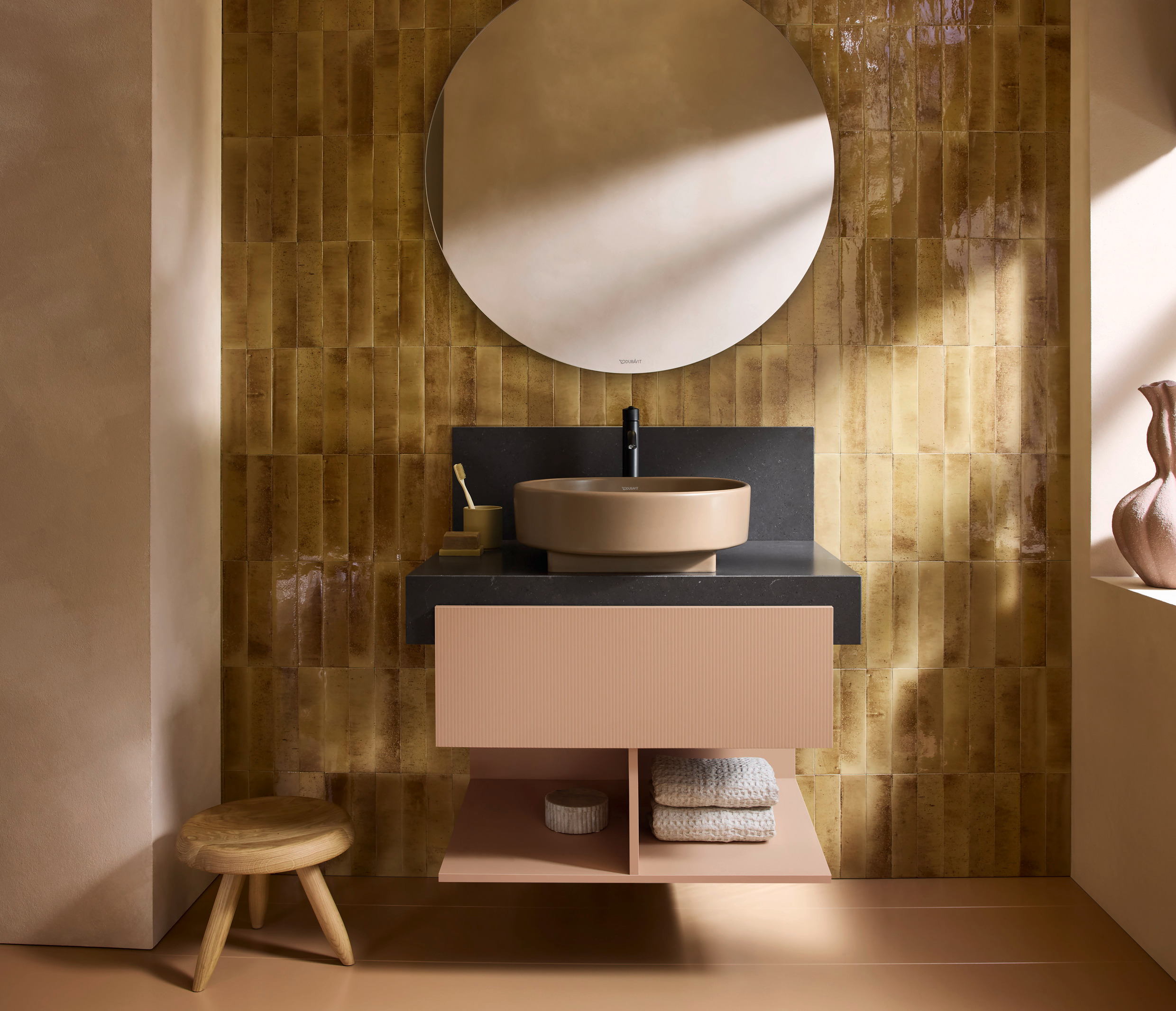
Precision extends beyond production. Consistent dimensions contribute to clean transitions and facilitate assembly when components are designed as a coordinated system. The Balcoon bathroom series, designed by Patricia Urquiola, illustrates this approach: clear architectural forms and a warm design language are carried from creative concept through material development to the finished product.