
Switzerland’s hotel market has many parts, but two of the most important for suppliers are city projects and resort projects, and they behave very differently. City hotels thrive on business travel, conferences, and steady year-round demand, while resorts run on seasons, altitude, social media influence, and guests who want the best. The two segments differ in how they buy, how they build, and who makes the decisions.
How City Projects Work
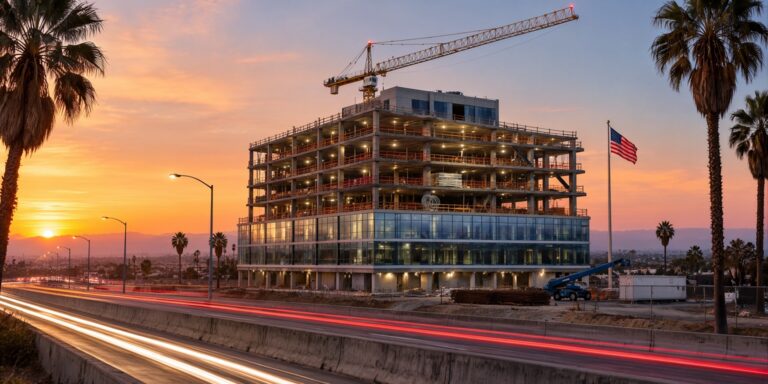
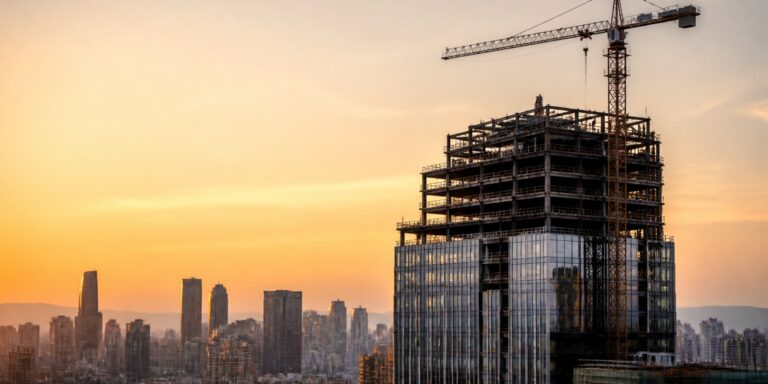
Zurich, Geneva, and Basel are driven by banking, pharma, international organizations, trade fairs, and conferences, which keeps rooms full through most of the year and makes occupancy and investment cycles more predictable than in the mountains. But what does that mean for hotel suppliers? Renovations tend to happen in phases, a floor or a wing at a time, with the hotel still running. And because so many city properties are tied to international brands, getting on the approved-vendor list counts for a lot.
Meeting and event space also carries a lot of weight lately, with ballrooms, AV, and flexible furniture central to the business case. Permits, financing, and construction tend to follow a standard path, which makes city timelines easier to read.
How Resort Projects Work
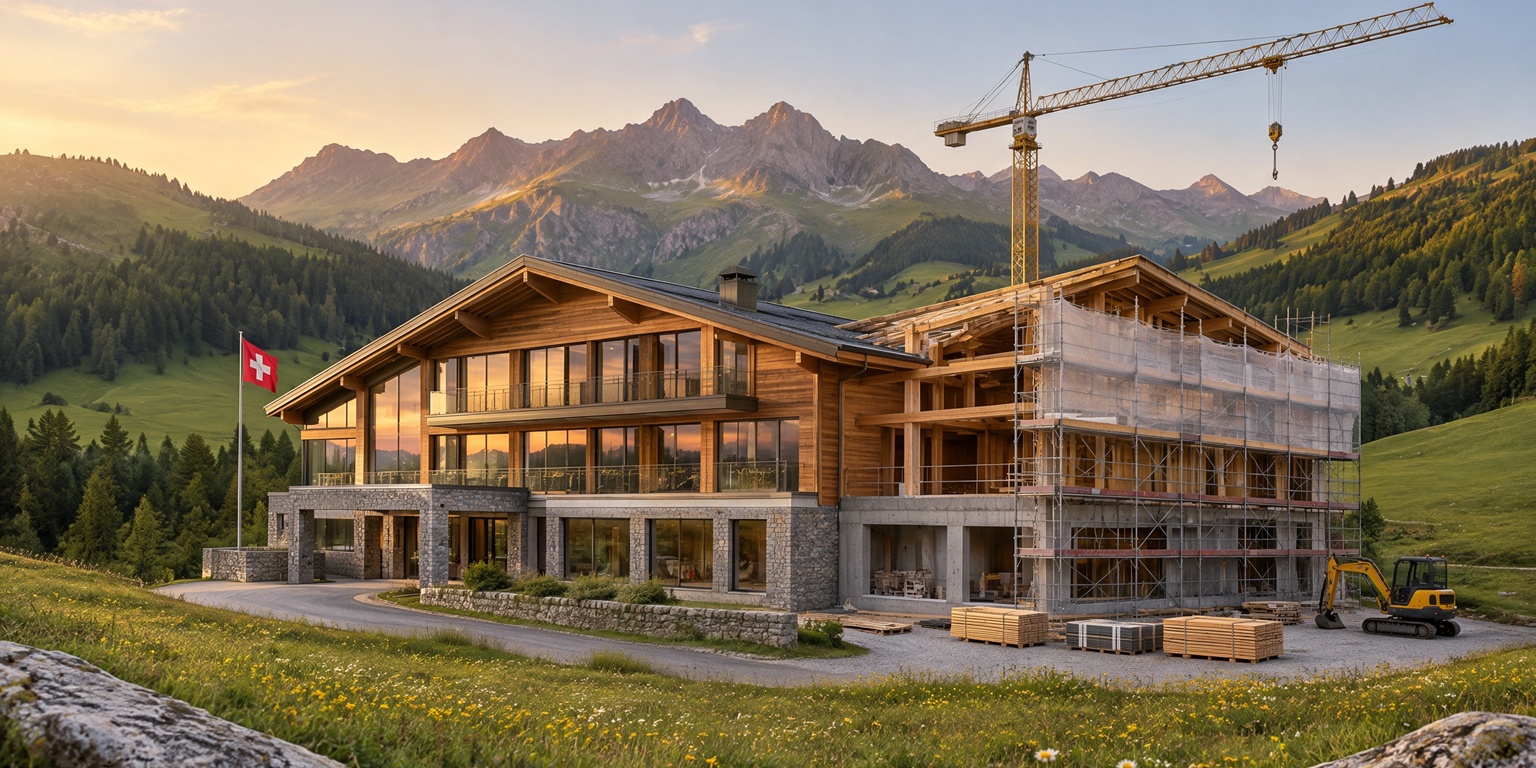
Zermatt, St. Moritz, Davos, and similar destinations swing between winter and summer, sometimes with quiet shoulder seasons in between, and guests are paying for an experience as much as a room. Construction windows are short because weather and altitude limit when work can happen, so delay costs tend to go up. Access shapes everything, with narrow roads, limited staging space, and restricted delivery slots making logistics almost as important as the product.
At a resort, luxury is expected, which means buyers look hard at finish and craftsmanship. And the rules aren’t the same everywhere. Building and second-home regulations vary by location. Resorts reward early planning, and a supplier who gets noticed early has an edge over one who arrives once the build is underway.
Different Buyers, Different Pitches
City hotels are often located inside larger groups with procurement teams that buy across several properties, so a clear approved-vendor path and strong documentation can open doors. Resorts tend to be more often family-owned or run by long-established hospitality groups, where owners and long-serving managers still carry a lot of weight.
In that setting, relationships and a reference from a comparable property count for more. Neither approach is better, but a supplier prepared for both is in a stronger position than one with a single pitch.
Two Projects, Two Stages
City: Letziterrassen, Zurich Altstetten
The Letziterrassen project is a 4-star, 200-room hotel planned for Zurich’s Altstetten district, with an opening expected in 2030. It is part of a mixed-use project from developer CPV/CAP Pensionskasse Coop that also includes rental apartments and ground-floor commercial space, and the 60-meter building is designed around three terraces, including a public garden terrace. Because the project is in pre-planning, nothing is being bought yet, but the design direction and standards that will shape the spec are still taking form, which makes this the window to reach key contacts.
Resort: Grand Resort Bad Ragaz, St. Gallen
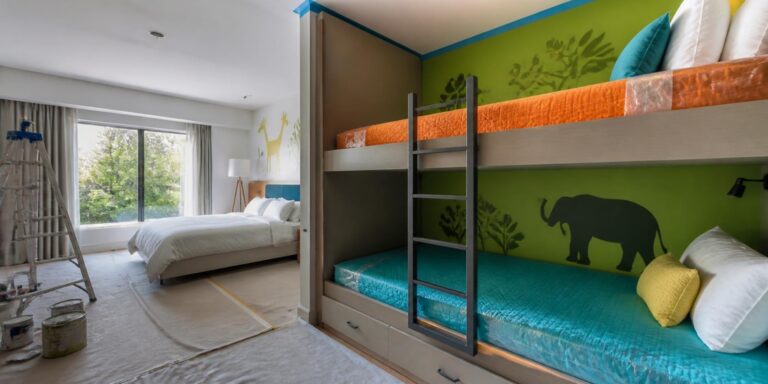
Grand Resort Bad Ragaz is a 5-star, 150-room refurbishment with the expected reopening in Q4 2026. The guest rooms are already renovated, and the next step is a redesign of the Grand Hotel Hof Ragaz’s ground floor, with plans for a hotel bar, a classic Italian restaurant, and a Thai dining concept. The spec is set and most of the buying is done, so reliable delivery, installation support, and OS&E matter most in the final stretch.
Where Suppliers Should Focus
Suppliers of conference furniture, AV, and flexible room solutions often find a natural fit in city projects, while those with premium finishes, custom pieces, or products suited to harsh climates may do better in resorts. Whichever you choose, the most useful step is knowing what is in the pipeline. THP’s project database tracks Swiss hotel developments across both segments, including phase, status, construction type, star rating, room count, opening date, hotel type, location, key contacts, and more.