
Anyone who has spent time on a hotel project or is involved somehow in the world of hospitality has probably heard the terms FF&E and OS&E tossed around. The two initialisms come up constantly in hotel development, from early planning sessions all the way to the final walkthrough before opening day. They sound similar, and they cover some overlapping ground, which makes them easy to mix up sometimes.
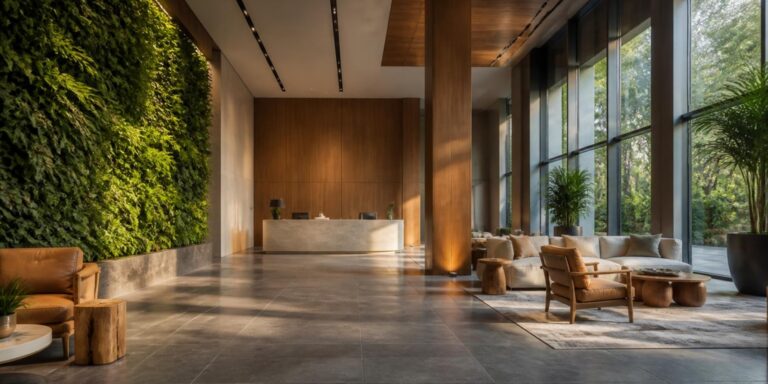
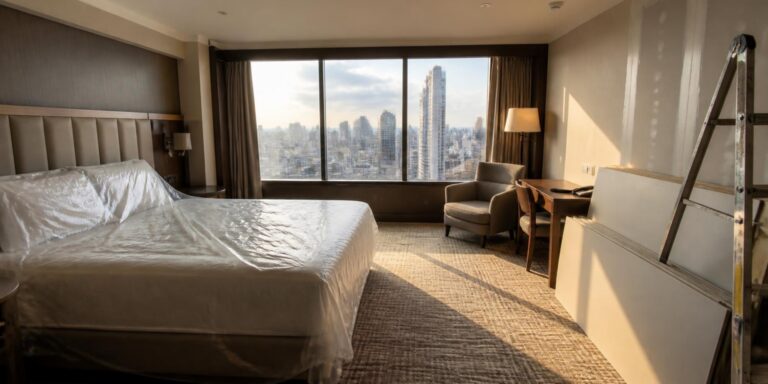
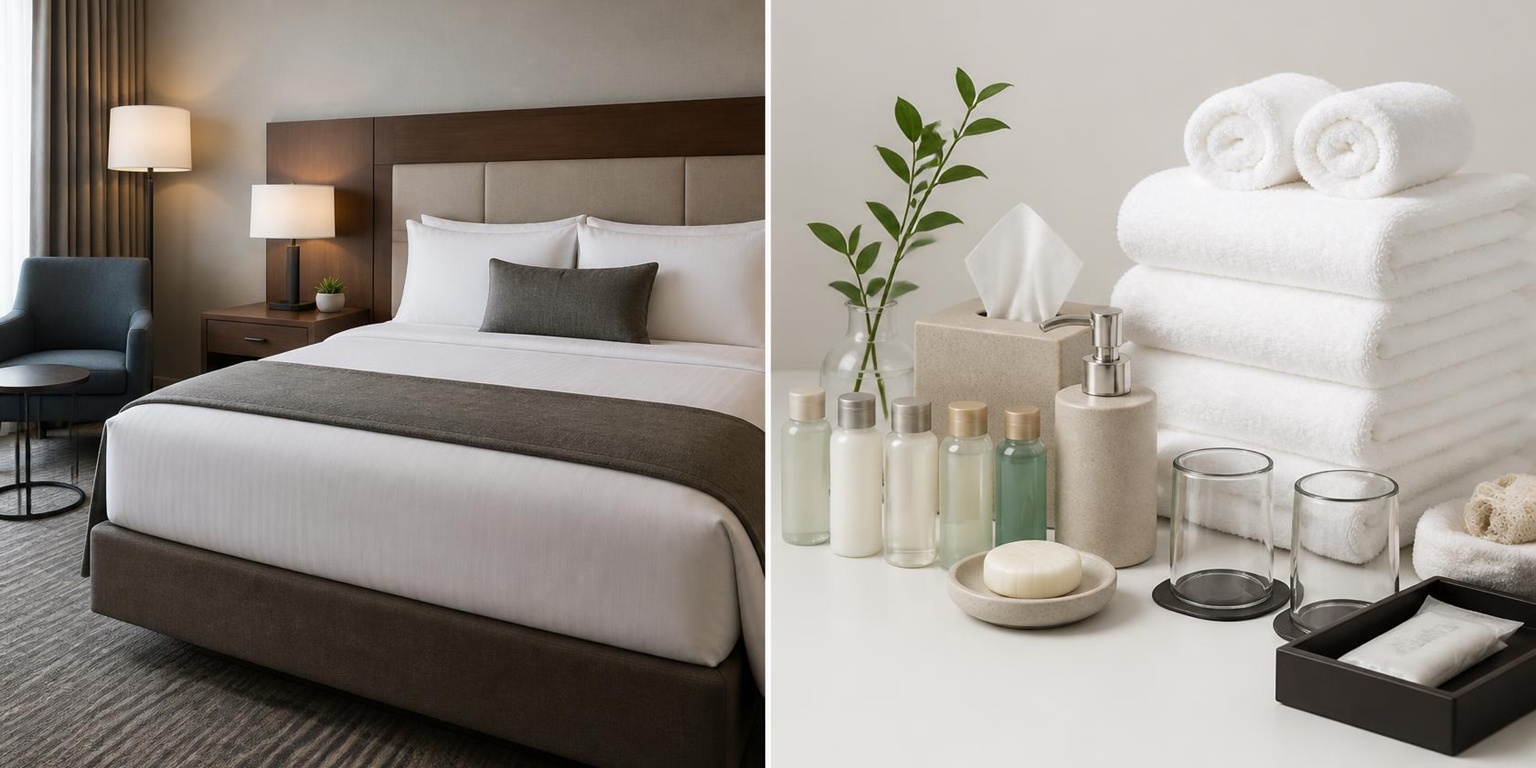
FF&E stands for Furniture, Fixtures, and Equipment. It covers the larger, movable items that are not permanently built into a property but are still essential to how it runs day to day. Beds, sofas, desks, dining tables, and lighting fixtures all fall under this category. These are long-term assets, and hotels typically don’t replace them on a regular basis. FF&E tends to enter the picture early in a project. Orders typically go out during the planning phase, with items arriving and getting installed as construction wraps up and the property moves toward pre-opening.
OS&E stands for Operating Supplies and Equipment. Unlike FF&E, these are smaller, everyday items that support daily operations and get used, replaced, and restocked regularly. Bed linens, towels, toiletries, dishware, and cleaning supplies all fall into this category. OS&E becomes especially relevant during the pre-opening phase, when hotels stock up before welcoming guests. The basic distinction: FF&E is what stays, and OS&E is what gets replenished.
Where the Lines Blur
The two categories overlap more than people expect, and it creates real gray areas for project managers and procurement teams. The same item can land in either bucket depending on its lifespan, cost, or how a company sets its accounting rules. A few examples illustrate the point:
- Hairdryers and coffee makers get filed as FF&E by some companies and OS&E by others.
- Lamps are technically FF&E but sometimes get bundled into OS&E when they are inexpensive and easily replaced.
- Mattress pads fall under housekeeping’s OS&E budget, even though the mattress itself counts as FF&E.
Both categories matter for budgeting, just at different points in a project. FF&E usually represents a larger upfront investment tied to construction and design timelines. OS&E is an ongoing operational expense that continues well after opening day. Knowing which category a product belongs to helps hotel teams plan purchasing schedules and avoid last-minute scrambles for basic supplies.
Quick FAQ
Who manages each category?
FF&E is typically handled by designers, architects, and furniture suppliers working with the project timeline. OS&E falls to procurement and operations teams, since it ties more closely to daily hotel functions.
Why does the distinction matter?
Mixing up the two categories can create budgeting headaches and procurement delays. Understanding which bucket a product falls into helps hotel teams plan purchasing correctly.
Does the category matter for suppliers pitching to hotels?
Yes. FF&E purchases align with the construction and design timeline, while OS&E purchases happen closer to opening and repeat on an ongoing basis. Knowing the difference helps suppliers figure out who to approach, and when, in the project cycle.